
Skip to content
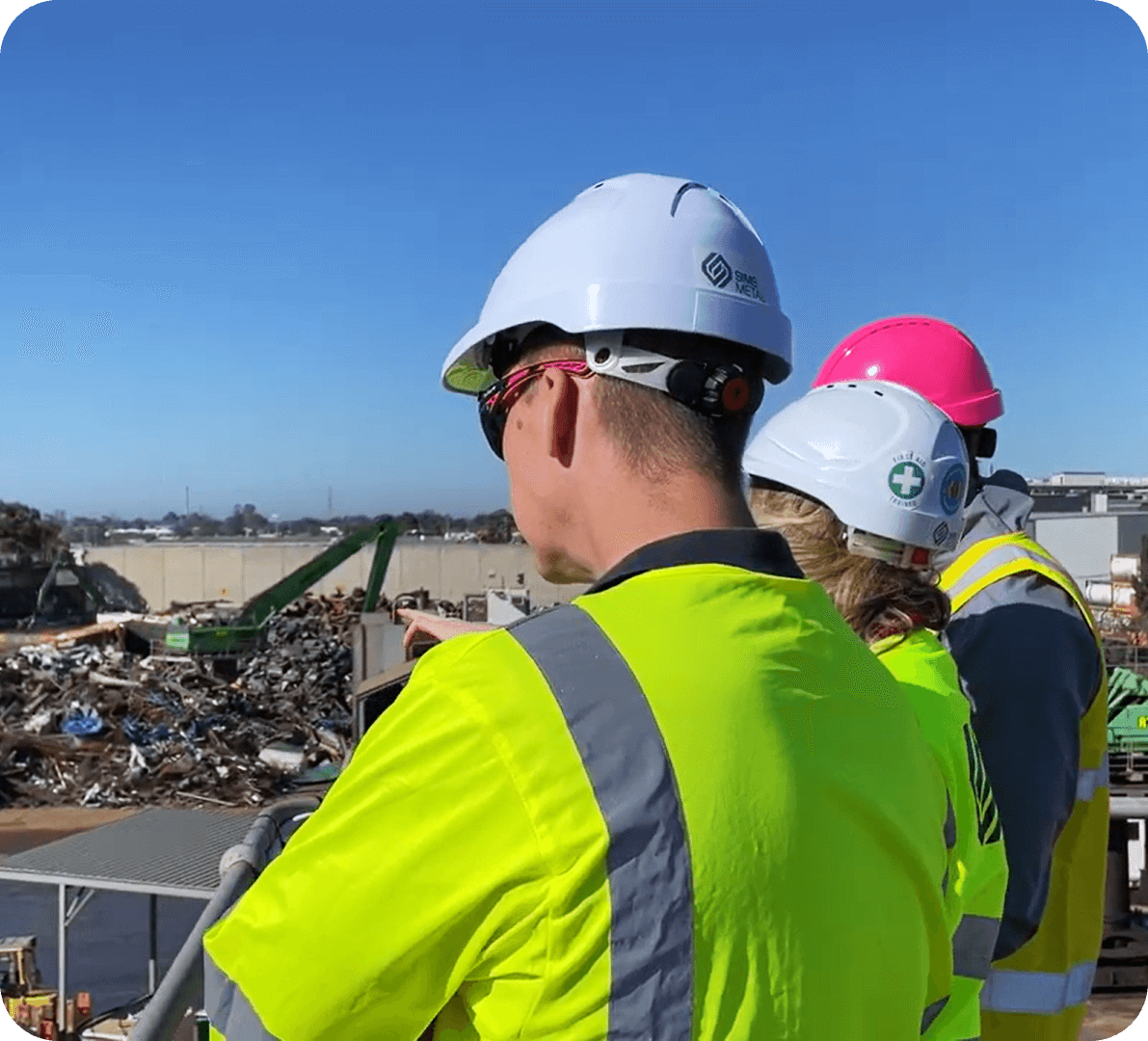
Sims employees in safety gear observing an outdoor scrap metal recycling yard from a high vantage point

How Sims Limited Transformed Safety Culture Through Trust and Psychological Safety

Case Study

Through a deliberate shift away from blame-oriented practices, Sims Limited worked with GYST to build a culture grounded in trust, psychological safety, and shared accountability—delivering measurable safety and engagement outcomes.

Key Results

 
Over 50%
 
reduction in recordable injuries
 
4.8/5 Rating
 
overall of the Commit to Care program by 1,000+ participants
 
4.1/5 Rating
 
overall for Psychological Safety in GYST CultureSurvey results
 
1.0 Injury Rate
 
nearly 3x lower than the OSHA Recycling Industry Benchmark of 3.7

About Sims Limited

Sims Limited is a global leader in metal recycling, and plays a vital role in helping increase circularity and decarbonisation by supplying recycled materials and re-purposed products. Their business divisions include:

  • Sims Metal: Recycles scrap metal for reuse worldwide.
  • Sims Lifecycle Services: Handles secure IT asset recycling and data destruction.

Operating more than 155 facilities across 13 countries, Sims Limitied employs more than 4,100 employees globally

Sims Metal Plant and Sims Lifecycle Circular Center (1)

"This program has opened my eyes to the fact that Sims really does care about its employees. I feel better about working here knowing that this support network exists."

Sims Limited Employee & CareFactor Participant

"It reminded me of mindsets I already valued and helped me see where I might improve in life and work."

Sims Limited Employee & CareFactor Participant

"It gave valuable insights about the way humans think and how we can do better to improve our own life and lives of others."

Sims Limited Employee & CareFactor Participant

"That all the knowledge that Jamie shared is not only useful at work but for life in all aspects."

Sims Limited Employee & CareFactor Participant

The Challenge

When GYST first engaged with Sims, the organisation was navigating a critical cultural and safety challenge:

  • Several serious safety incidents had occurred.
  • Leadership observed low trust and communication gaps between workforce and management.
  • Traditional safety programs emphasised behaviour-based compliance, focusing on blame over learning.
  • Operational risk management relied heavily on lagging indicators like lost-time injury rates.
  • Previous surveys (paper-based) were outdated, leaving psychosocial risks and employee concerns unaddressed.

Safety incidents were affecting operational performance, employee engagement, and morale. Sims needed a solution that went deeper than rules and procedures, one that truly embedded trust and accountability across the organisation.

The Solution

1. Building Trust First

Sims prioritised action over words, addressing critical risks and improving the work environment before introducing culture training. Initiatives included:

boom gate icon

Enhanced physical protections and site redesign

standardised-practices-icon

Standardised risk controls across regions

people-first-icon

Clear demonstration that leadership valued people over metrics
2. Partnership with GYST

In 2021, Sims engaged GYST to introduce modern psychological safety principles across the organisation:

Key cultural shifts introduced:

  • From blame → curiosity
  • Recognising human limitations: fatigue, distraction, autopilot
  • Treating employee input as essential to safety
  • Leaders encouraged to "ask, not tell"
  • Viewing errors as learning opportunities

3. From Blame Culture to Learning Culture

Following CareFactor training, Sims began systematically removing blame‑oriented practices from its EHS processes. The organisation shifted from "incident investigation" to Incident Learning, emphasising understanding work as it is truly performed—not how procedures assume it is performed. Cultural transformations included:

  1. Incident investigations reframed as Incident Learning
  2. Workforce became active problem-solvers in safety design
  3. Mistakes celebrated as opportunities to improve systems
  4. Upward feedback and psychological safety reinforced across all sites

4. Embedding Culture: Commit to Care

To ensure sustainability, Sims developed Commit to Care, an internal program incorporating core CareFactor principles and content, designed for:

  • All leaders (management & supervision)
  • Annual refresher training globally
  • Peer-to-peer micro-learning videos for practical application
Sims Commit to Care Program Logo

Sims Shares Their Safety Transformation Story

Hear directly from Sims Limited Head of Global Environment, Health, and Safety about why change was necessary, what they did differently, and how building trust transformed safety across their global operations.

The Results

Sims has observed substantial improvements in culture, trust, and employee engagement since implementing its culture‑focused initiatives.

survey icon

GYST CultureSurvey
Results

  • Overall Psychological Safety Score: 4.1 out of 5
  • High scores in Leadership Influence, Trust, Inclusion, and Comfort in Speaking Up
  • Strong perceptions of integrity, care, and mistake management

4.8-stars-rating-icon

Commit to Care
Program Feedback

More than 1,000 participants rated the Commit to Care program:

  • 4.8 out of 5 stars overall
  • Praised for clarity, practical relevance, and leadership applicability
  • Strong buy‑in and perception of value across the workforce
brain with cog icon

Behavioral and Cultural Indicators

  • Recordable injuries dropped over 50% in five years
    (Sims' FY 2025 recordable injury rate was 1.0—270% lower than the US OSHA recycling industry average of 3.7)
  • More hazard & near‑miss reporting
  • Stronger workforce‑management collaboration
  • Higher engagement and pride across sites

Why This Approach Works

Sims' transformation shows that lasting safety and engagement improvements require more than programs - they need leadership commitment, clear data, and a culture of trust that's embedded across the organisation.

Their biggest change-enablers were:

  • Board & Executive Support: Leadership backed decisive changes, including retiring outdated metrics like "Zero Harm."
  • Data-Driven: Focus shifted from lagging to leading indicators.
  • Trust-Based Culture: Employees and leaders collaborate on solutions, creating ownership and engagement.
  • Scalable & Sustainable: Programs rolled out across regions and embedded into daily operations.


Evolve your safety culture

Ready to create lasting change? Discover how GYST can support your people to build a safer, stronger workplace.